We Asked Dietitians the Best Way to Cook Sweet Potatoes for Better Blood Sugar

Stephanie

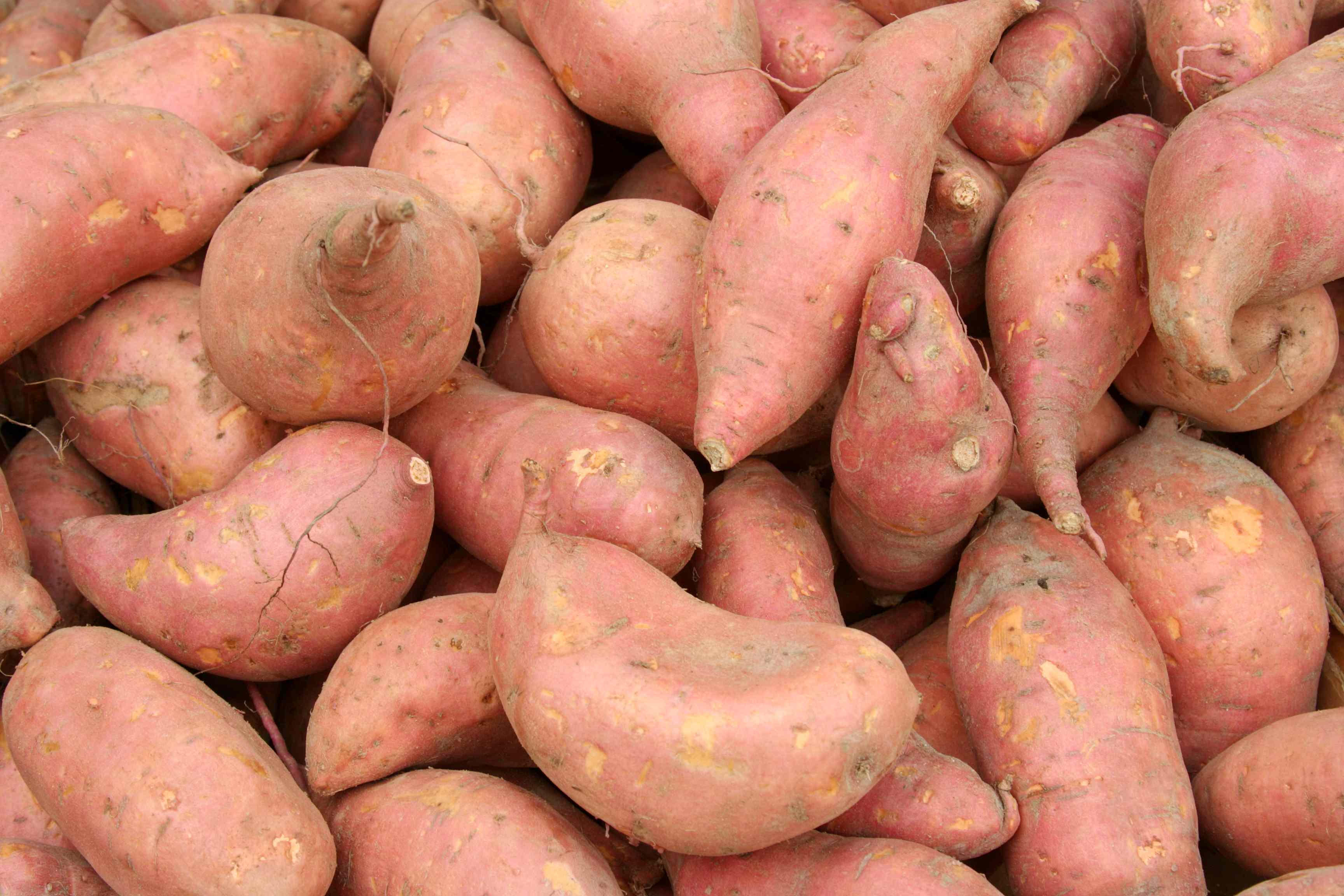
Boiling sweet potatoes may help you manage blood sugar while still getting fiber, potassium, and other nutrients.Credit: CribbVisuals / Getty Images
Fact checked by Nick Blackmer
Why this matters: Boiling sweet potatoes gives them a lower glycemic index than baking or roasting, which may limit blood sugar spikes.
What you can do: Boil sweet potatoes with the peel on, then enjoy them cubed, mashed, or added to salads.
The payoff: Choosing boiled sweet potatoes can help you manage blood sugar while still getting fiber, potassium, antioxidants, and other nutrients.
Whether you’re roasting them, mashing them, or turning them into fries, sweet potatoes are packed with nutrients like fiber, vitamin C, and potassium. But does one cooking method outshine the others for blood sugar control? Dietitians say yes—and it’s arguably the easiest one: boiling.
Health Benefits of Boiling Sweet Potatoes
Sweet potatoes are already a nutritious addition to your diet, but boiling offers a few unique advantages—particularly when it comes to their effect on blood sugar. Here are some other bonuses of boiling sweet potatoes:
1. Lower Glycemic Index
All potatoes are starchy vegetables, but sweet potatoes can have a lower glycemic index (GI) than white potatoes, although the exact number varies depending on the variety and how they’re cooked.
Boiled sweet potatoes have an even lower GI than baked or roasted ones, according to Jennifer Scherer, MS, RDN, owner of Fredericksburg Fitness Studio in Virginia.
In one study, boiled sweet potatoes had GI values of about 41 to 50, compared with 79 to 93 for roasted sweet potatoes and 82 to 94 for baked ones. That “can help prevent big spikes in blood sugar,” Scherer told HEALTH.
Baking and roasting expose sweet potatoes to higher, drier heat, which removes some water and can convert more of their starch into sugars. That may explain why baked and roasted sweet potatoes tend to have a higher GI than boiled ones.
“It’s almost like comparing a grape to a raisin,” Ella Davar, RD, founder of the Gut-Brain Method, told HEALTH. “A baked or roasted potato is like a raisin—there’s no water, so it’s more sugar with some fiber.”
2. Less Added Fat
Roasting a sweet potato removes water, causing it to shrink. Boiled sweet potatoes retain plenty of moisture as they cook, so you may not need as much oil or butter to make them tender and flavorful, said Davar.
Saturated fat can raise cholesterol and increase heart disease risk when you consume it in excess. Eating more saturated fat over time can also affect blood sugar indirectly by causing insulin resistance, which can make it harder for your body to move sugar out of the bloodstream.
3. May Preserve Certain Antioxidants
Sweet potatoes are loaded with several types of antioxidants, although the kinds they contain depend partly on their color. Purple sweet potatoes are especially rich in anthocyanins, while orange sweet potatoes are best known for carotenoids such as beta-carotene.
Anthocyanins are being studied for their potential role in glucose metabolism and insulin sensitivity, although more research is needed in humans.
Cooking method can affect how many of these compounds remain in the potato. Research suggests boiling generally retains carotenoids well compared with some higher-heat cooking methods, although the results vary depending on the sweet potato variety and antioxidant being measured.
4. Easier to Digest
Another benefit of boiled sweet potatoes? Easier digestion. “Boiled sweet potatoes are soft and gentle on the digestive system,” said Scherer.
Boiling softens the potato and gelatinizes its starch, making it easier for digestive enzymes to break down. If you cook sweet potatoes and let them cool, some of that starch can turn into resistant starch—a type of carbohydrate that resists digestion and acts somewhat like fiber. Resistant starch is digested more slowly and may help reduce the rise in blood sugar after a meal.
How To Boil Sweet Potatoes to Preserve Nutrients
The peel of a sweet potato is packed with nutrients, so leave it on if you can when you boil it. You can easily remove it after cooking if needed. Either way, be sure to scrub the potato thoroughly first.
The cooking time will depend on the size of the potato if you boil it whole, or the size of the pieces if you cut it up.
One method is to slice the potatoes into 1-inch rounds. Cook them in gently boiling water with the lid on for 20 minutes, then take the lid off for the last 10 minutes.
Not sure what to do with your sweet potatoes after they have been boiled? Here are a few ways to enjoy them:
Keep them cubed: Scherer recommended a quick, simple prep of boiled cubes tossed with olive oil, garlic, and herbs.
Mash them: Davar recommended mashing boiled sweet potatoes with turmeric, coconut milk, and ghee. “Add a crack of black pepper for increased absorption of turmeric’s active compounds,” said Davar. Scherer advised mashing them with a little cinnamon and a touch of maple syrup for the ultimate comfort side dish.
Toss them into a salad: Davar recommended a warm salad of sweet potato, lentils, and arugula topped with pomegranate or pumpkin seeds and dressed with a vinaigrette of apple cider vinegar, Dijon mustard, and extra-virgin olive oil.
on Health
Source: Lifestyle


0 Comments