15 Foods With More Omega-3s Than Walnuts

Jillian Kubala, RDThu, October 8, 2026 at 4:00 PM UTC

Different foods provide omega-3 fatty acids that help maintain heart and brain health.Credit: OlenaMykhaylova / Getty Images
Fact checked by Nick Blackmer
Why this matters: Omega-3 fatty acids are essential for overall health, but many people don’t get enough.
What you can do: Add foods like flax oil, chia seeds, and salmon to your diet.
The payoff: Regularly eating omega-3-rich foods can boost your heart and cognitive health as you age.
Walnuts get plenty of attention for their omega-3 fatty acids, but they’re not the only way to get more of these healthy fats. Plenty of foods provide essential fatty acids, making it easy to build a nutrient-rich diet that supports healthy aging.
1. Flax Oil

Omega-3s: 8.5 grams of alpha-linolenic acid (ALA) per 1 tablespoon of flax oil
Flaxseed oil is the richest plant source of plant-based omega-3s you can eat.
Studies show that flaxseed oil may have heart-protective and anti-inflammatory effects.
Flaxseed oil has a low smoke point of just 217 degrees Fahrenheit, so it’s not suitable for cooking. Take it as a supplement or use it as a finishing oil for dishes like salads.
2. Chia Seeds
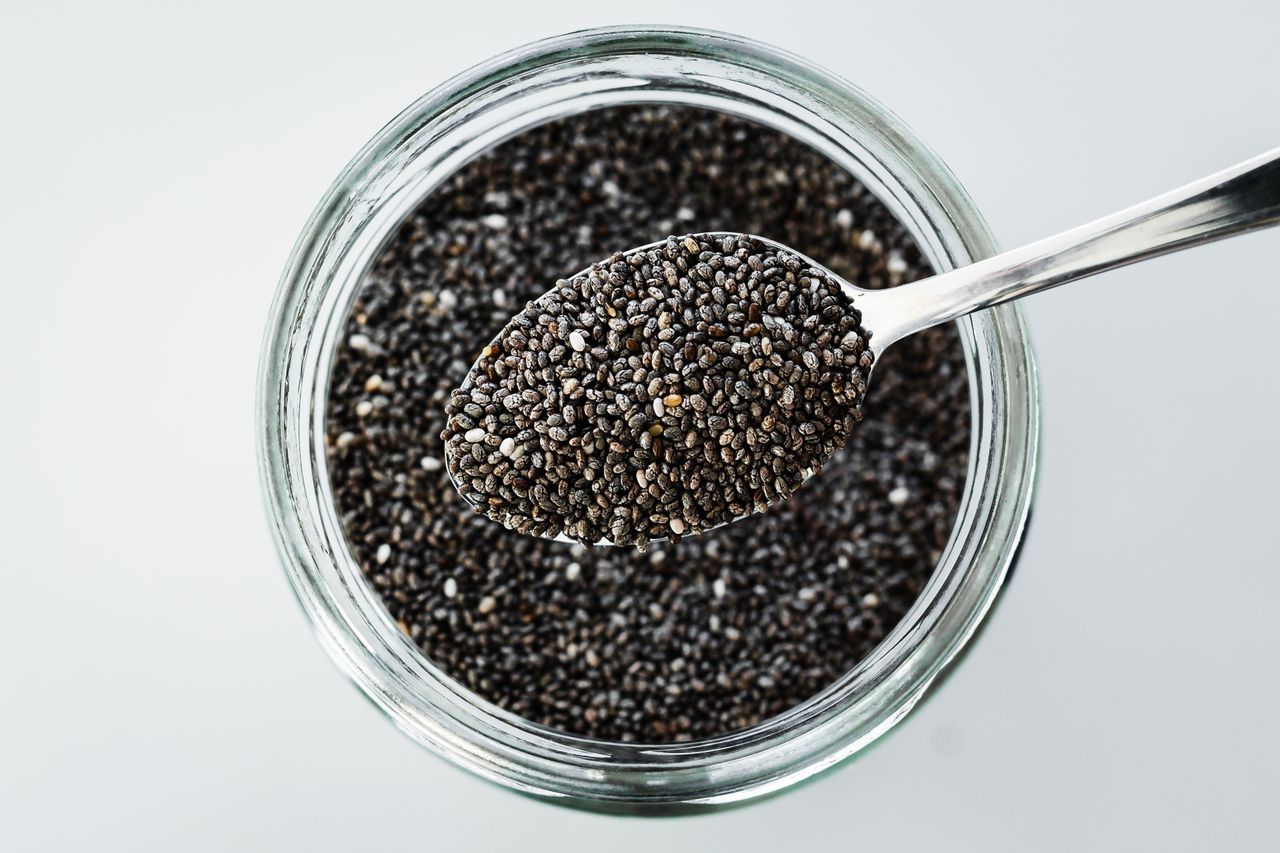
Omega-3s: 7.26 grams of ALA per 1 tablespoon of chia seeds
Chia seeds are high in ALA. They are also rich in important nutrients, like fiber.
Just 2 tablespoons of chia seeds cover about 35% of your daily fiber needs. Fiber helps support gut health. It keeps bowel movements regular and comfortable and supports the growth of beneficial gut bacteria.
Fiber also supports healthy cholesterol levels, which can lower your risk of heart disease.
3. Flaxseed
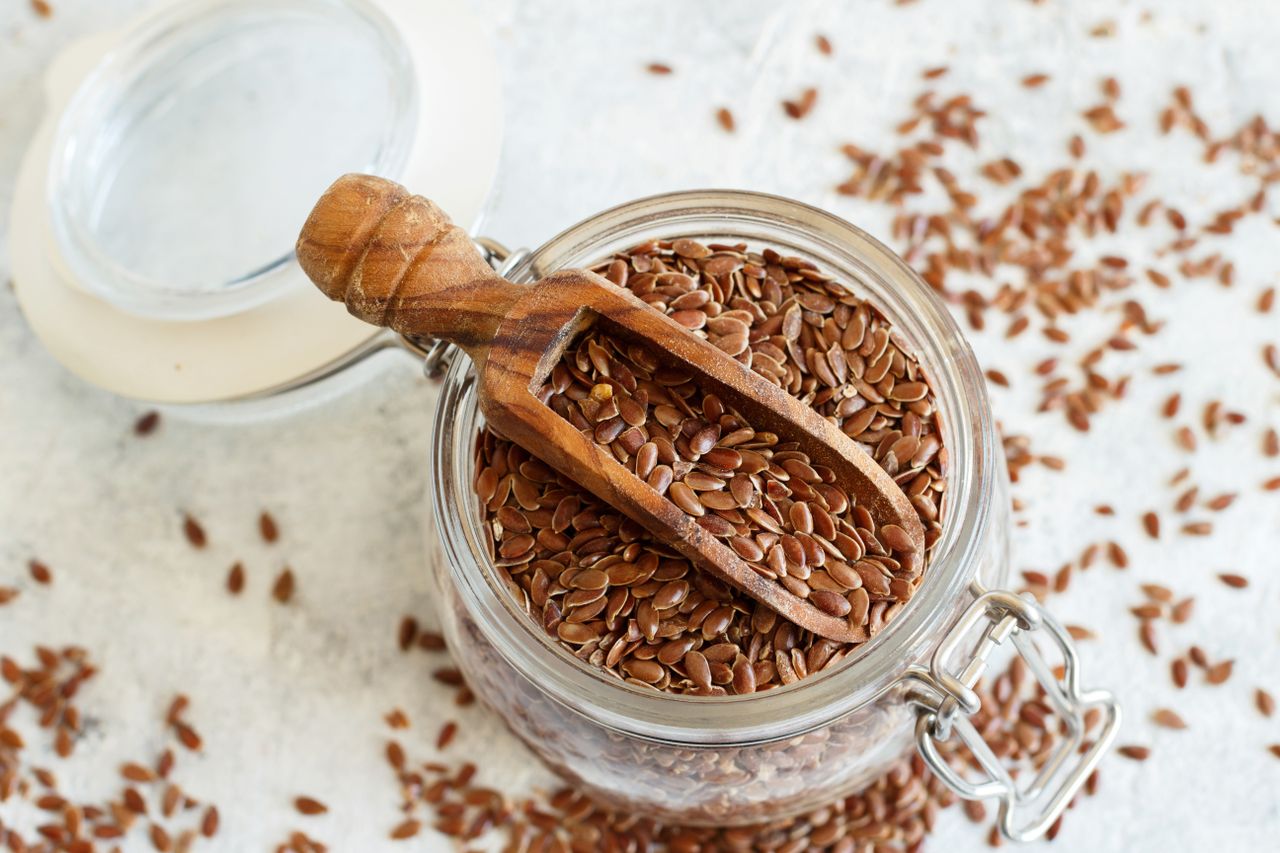
Omega-3s: 4.4 grams of ALA per 2-tablespoon serving of flaxseed
Like flax oil, flaxseeds are high in ALA.
Flaxseeds are high in fiber and magnesium. Both are nutrients that support heart health and healthy blood sugar control.
A 2022 study that included 19 men with type 2 diabetes found that those who ate 15 grams of flaxseeds before breakfast had a 17% decrease in post-meal blood sugar compared to a control group.
4. Cod Liver Oil
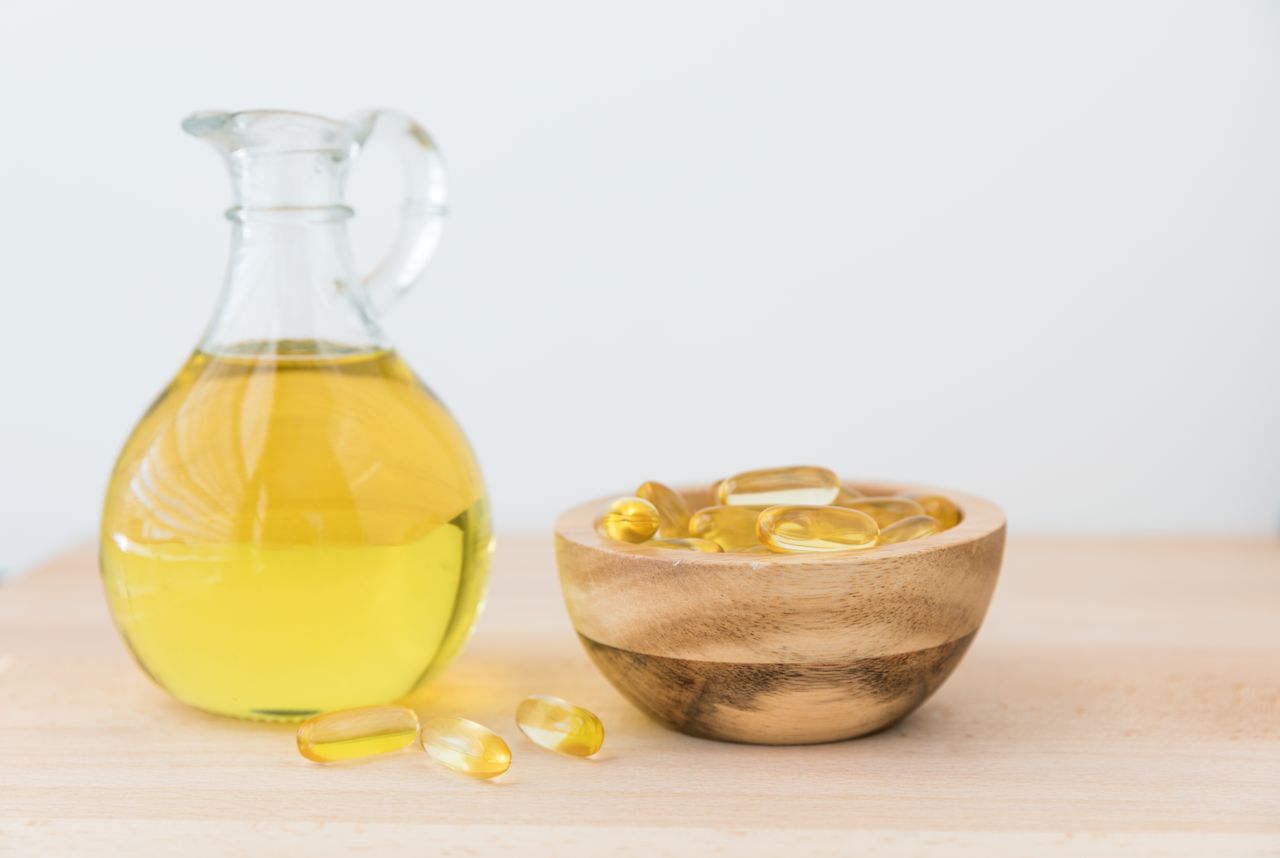
Omega-3s: 1.5 grams of docosahexaenoic acid (DHA) and 0.938 grams of eicosapentaenoic acid (EPA) per 1 tablespoon of cod liver oil
Cod liver oil is an excellent source of DHA and EPA. Consuming sources of EPA and DHA is the best way to increase your blood levels of these essential fatty acids.
In addition to DHA and EPA, cod liver oil also contains high levels of vitamin A, which is necessary for vision, immune function, cognitive function, and reproductive health.
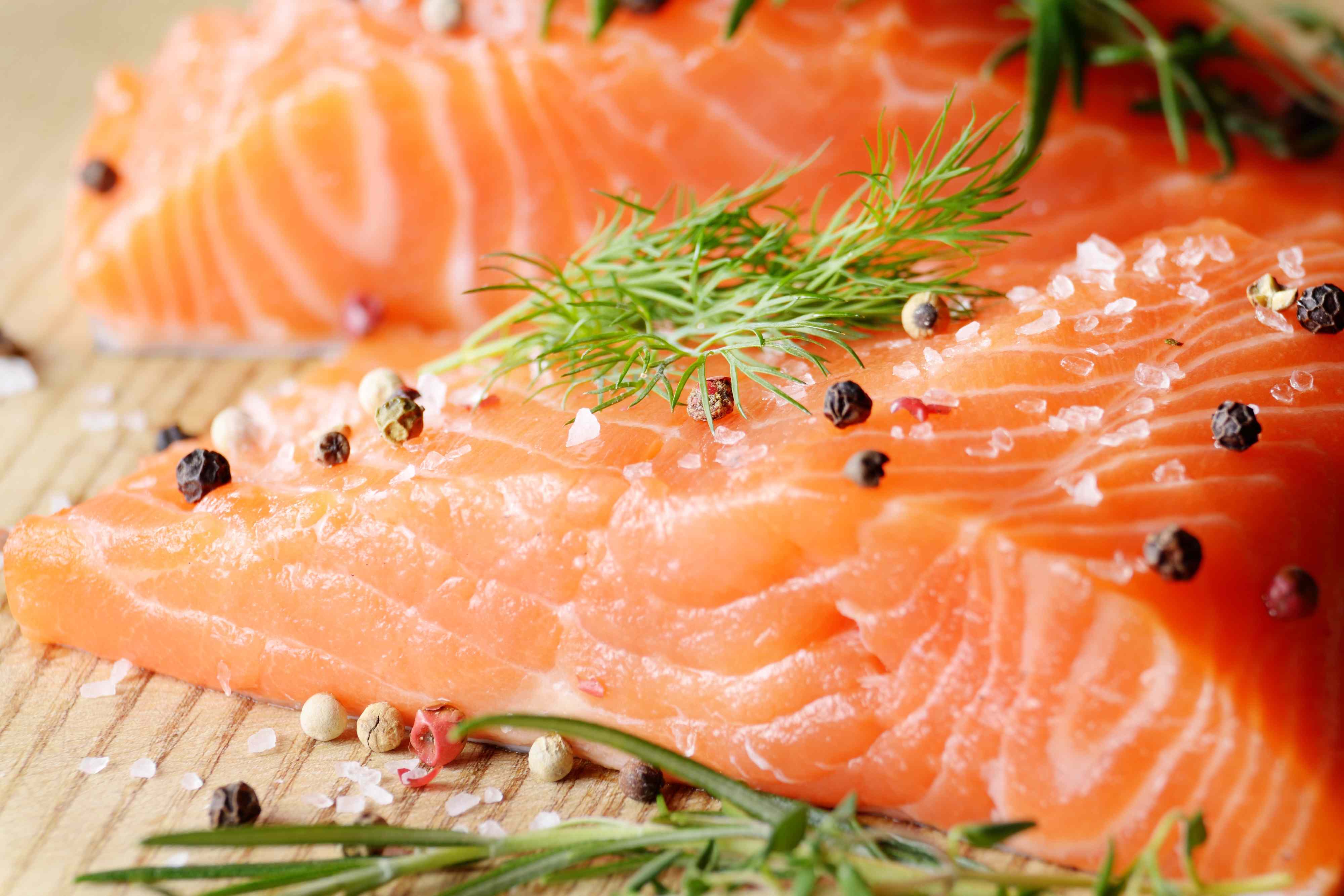
5. Salmon
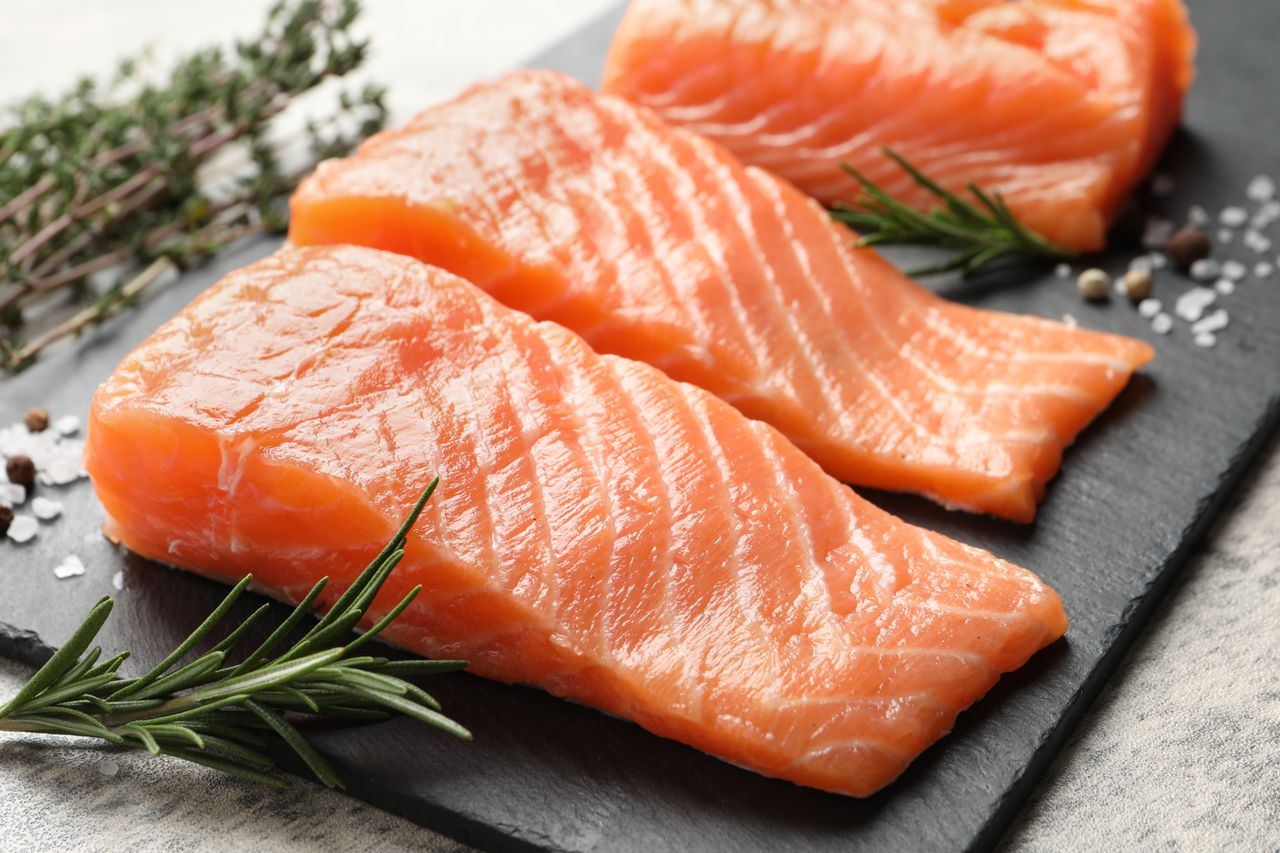
Liudmila Chernetska / Getty Images
Omega-3s: 1.24 grams of DHA and 0.59 grams of EPA per 3-ounce serving of salmon
Salmon is high in DHA and EPA. It is also rich in protein, potassium, B12, B6, selenium, and the powerful carotenoid antioxidant astaxanthin.
Astaxanthin is a pigment that has cellular-protective properties. Studies show that regularly eating astaxanthin-rich foods, like salmon, may support brain health and protect against age-related conditions.
6. Herring
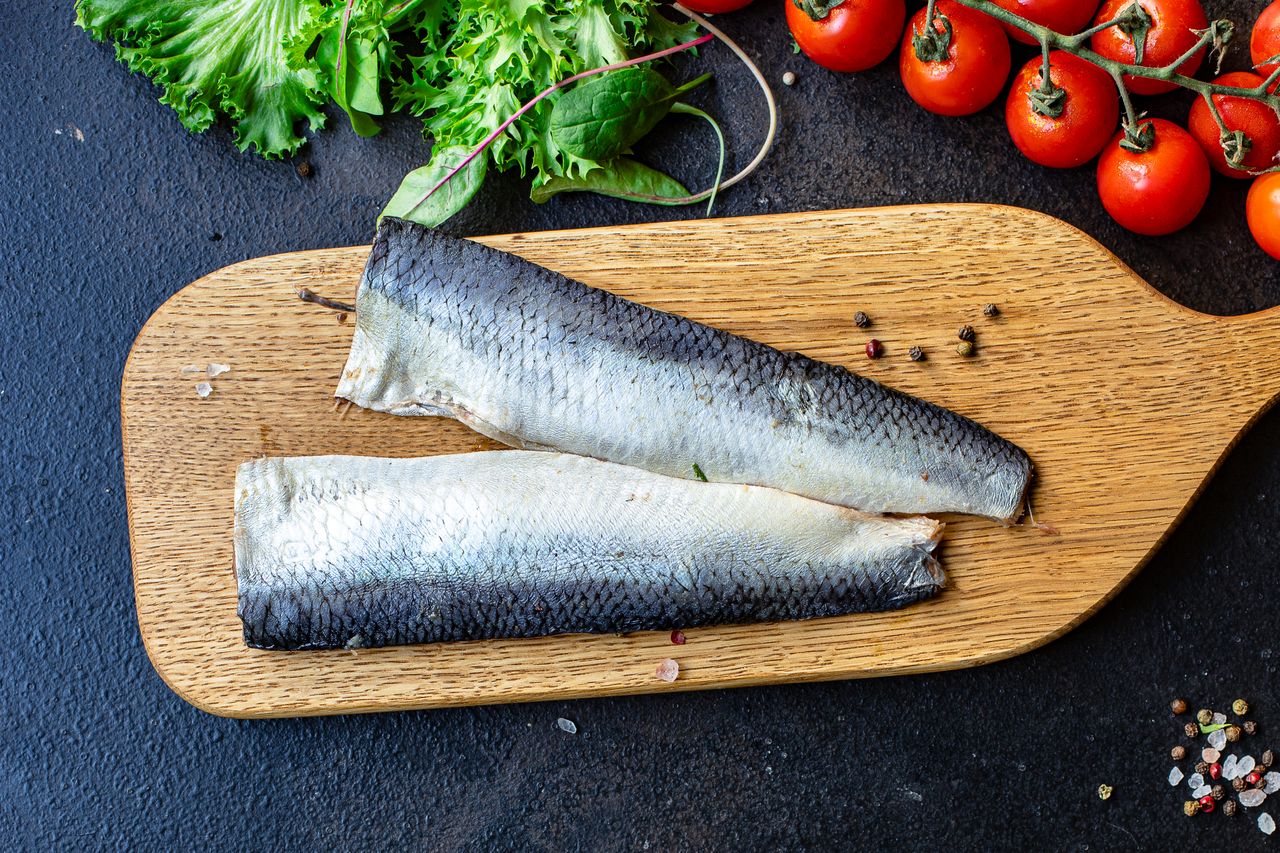
Omega-3: 0.94 grams of DHA and 0.77 grams of EPA per 3-ounce serving of herring
Herring is often recommended as a healthy seafood choice as it’s much lower in the heavy metal mercury than larger fish, such as tuna, swordfish, tilefish, and king mackerel.
Mercury can accumulate in the body and harm health, so choosing seafood with lower mercury levels can reduce one’s exposure to mercury.
7. Sardines

Omega-3s: 0.74 grams of DHA and 0.45 grams of EPA per 3-ounce serving of sardines
Sardines are an excellent source of omega-3s. In fact, they’re such a good source that eating more sardines could reduce your need for omega-3 supplements.
Sardines also provide protein, calcium, potassium, iron, magnesium, zinc, and other nutrients that are important for health.
8. Anchovies

Omega-3s: 0.366 grams of DHA and 0.216 grams of EPA per 1 ounce of sardines
Anchovies may be small, but they’re packed with nutrients, including omega-3s.
They also contain an impressive amount of vitamins and minerals, including calcium, which is important for heart and bone health and is needed for oxygen transport, energy production, and hormone synthesis.
9. Mackerel
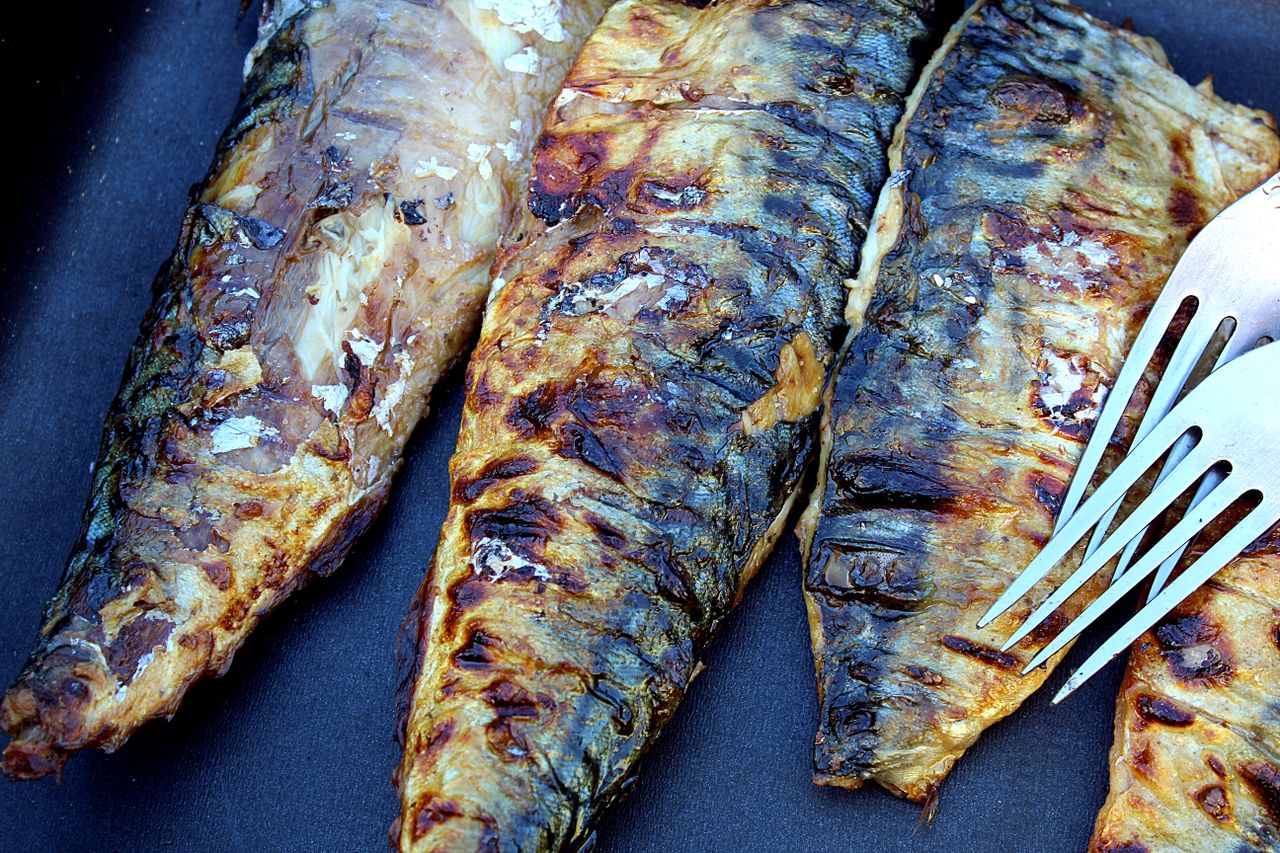
Omega-3s: 0.59 grams of DHA and 0.43 grams of EPA per 3-ounce serving of mackerel
Mackerel is a fatty fish that’s high in omega-3s and packed with protein, vitamin D, B12, selenium, magnesium, and B6.
Be aware that King mackerel should be avoided, since it’s high in mercury. Atlantic mackerel is very low in mercury and is a healthy seafood option.
10. Trout
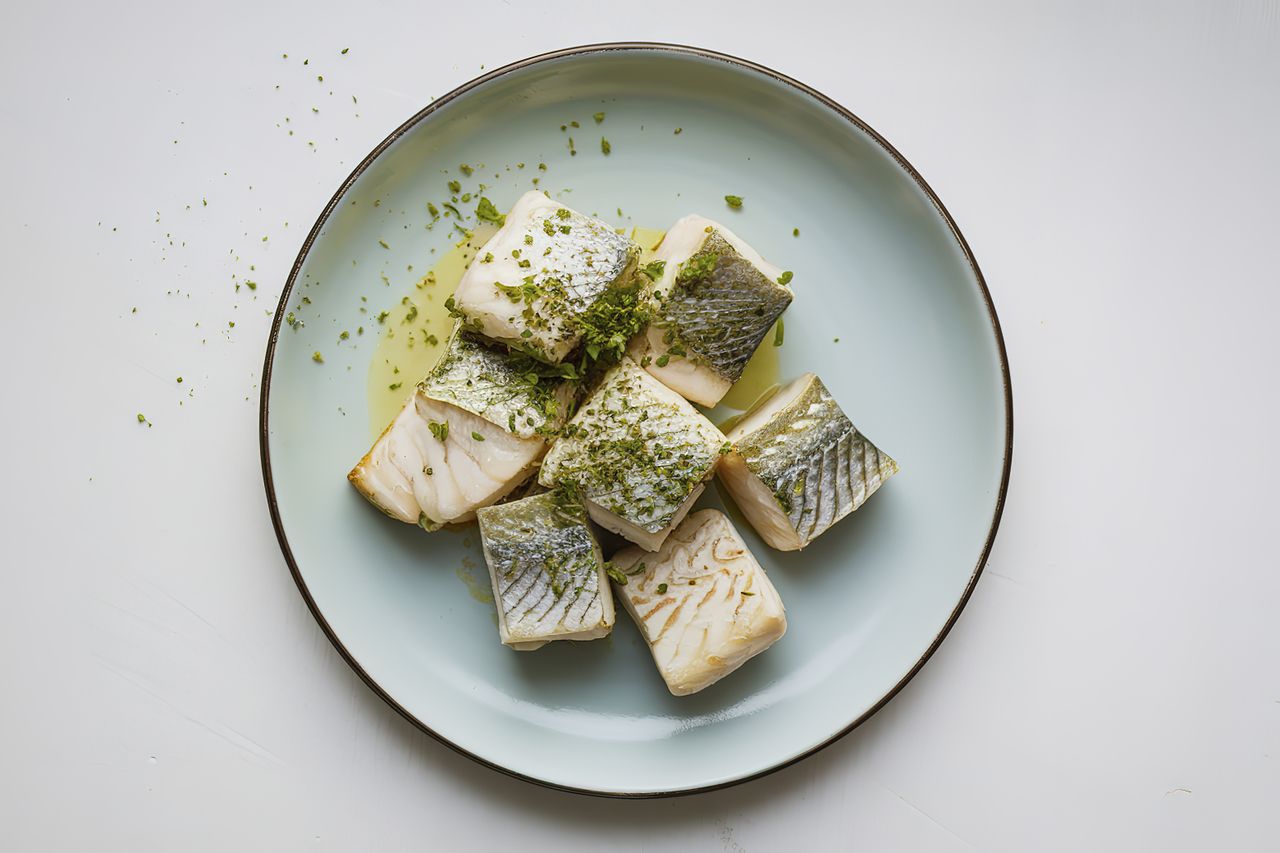
Omega-3s: 0.44 grams of DHA and 0.40 grams of EPA per 3-ounce serving of trout
Trout is a rich source of omega-3s, and it’s also high in vitamin D, a fat-soluble vitamin that regulates inflammation, supports immune health, and promotes the absorption of calcium.
Trout is one of the few foods high in vitamin D. A three-ounce serving covers 81% of your daily needs.
11. Oysters
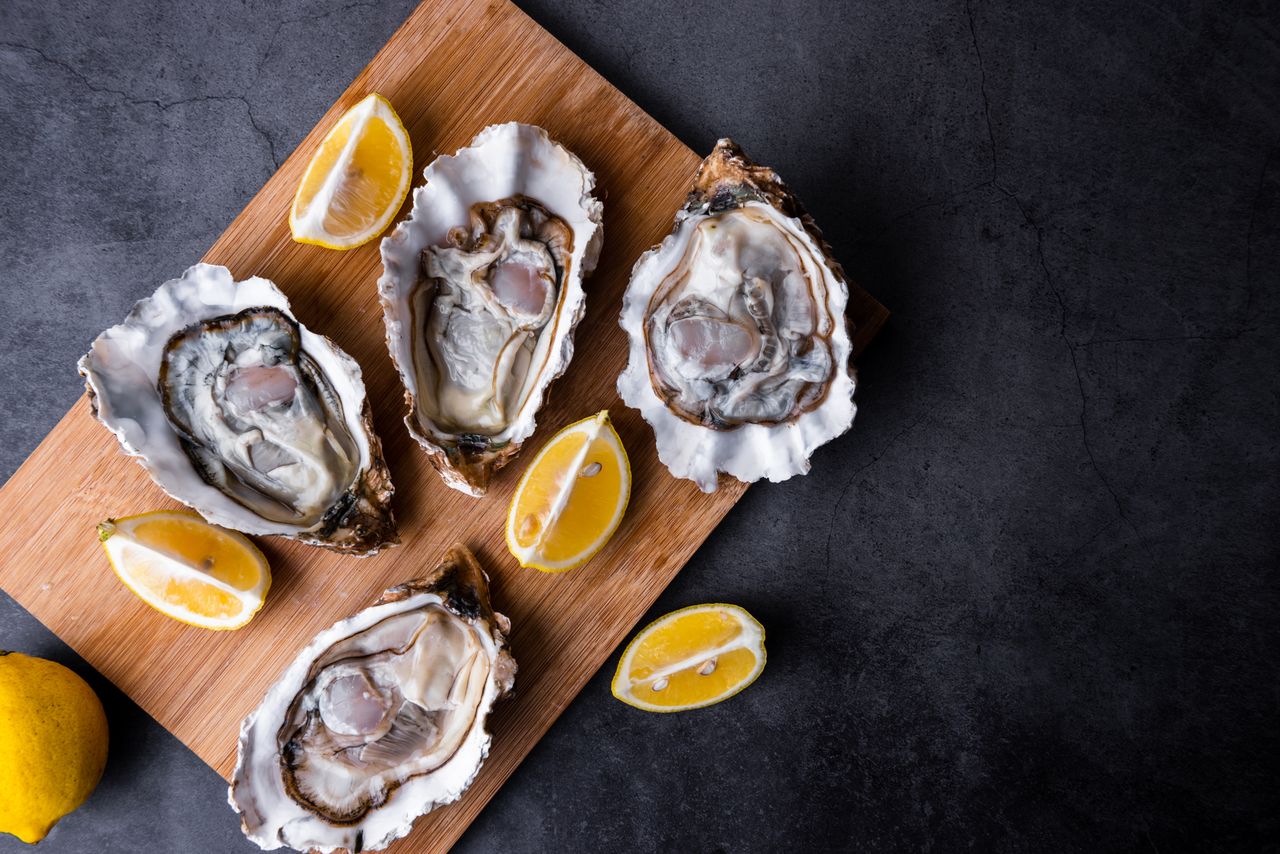
Omega-3s: 0.14 grams of ALA, 0.23 grams of DHA, and 0.30 grams of EPA per 3-ounce serving of oysters
Oysters are a good source of omega-3s. They are also high in protein and vitamins and minerals like B12, zinc, and selenium.
A 3-ounce serving of oysters covers 47.4% of your daily needs for selenium, a mineral that plays critical roles in immune and thyroid function and acts as a powerful antioxidant in the body.
12. Sea Bass
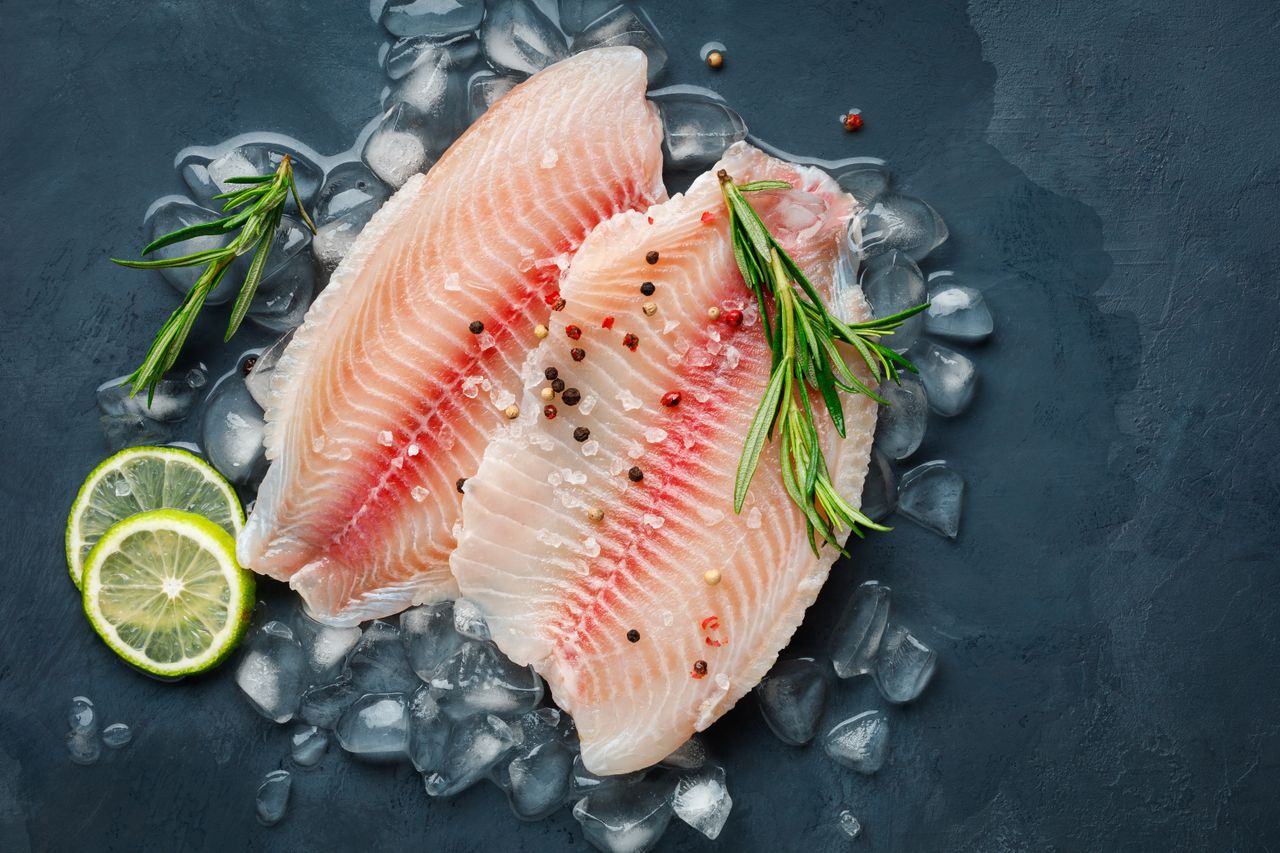
Omega-3s: 0.47 grams of DHA and 0.18 grams of EPA per 3-ounce serving of sea bass
Though it contains fewer omega-3s than fattier fish, eating sea bass can help boost your omega-3 intake.
Sea bass is high in protein and is a good source of vitamins and minerals, like vitamin B6. B6 is needed for immune function, neurotransmitter synthesis, and the formation of hemoglobin, the oxygen-carrying component of red blood cells.
A 3-ounce serving of sea bass covers 23% of your daily needs for vitamin B6.
13. Caviar
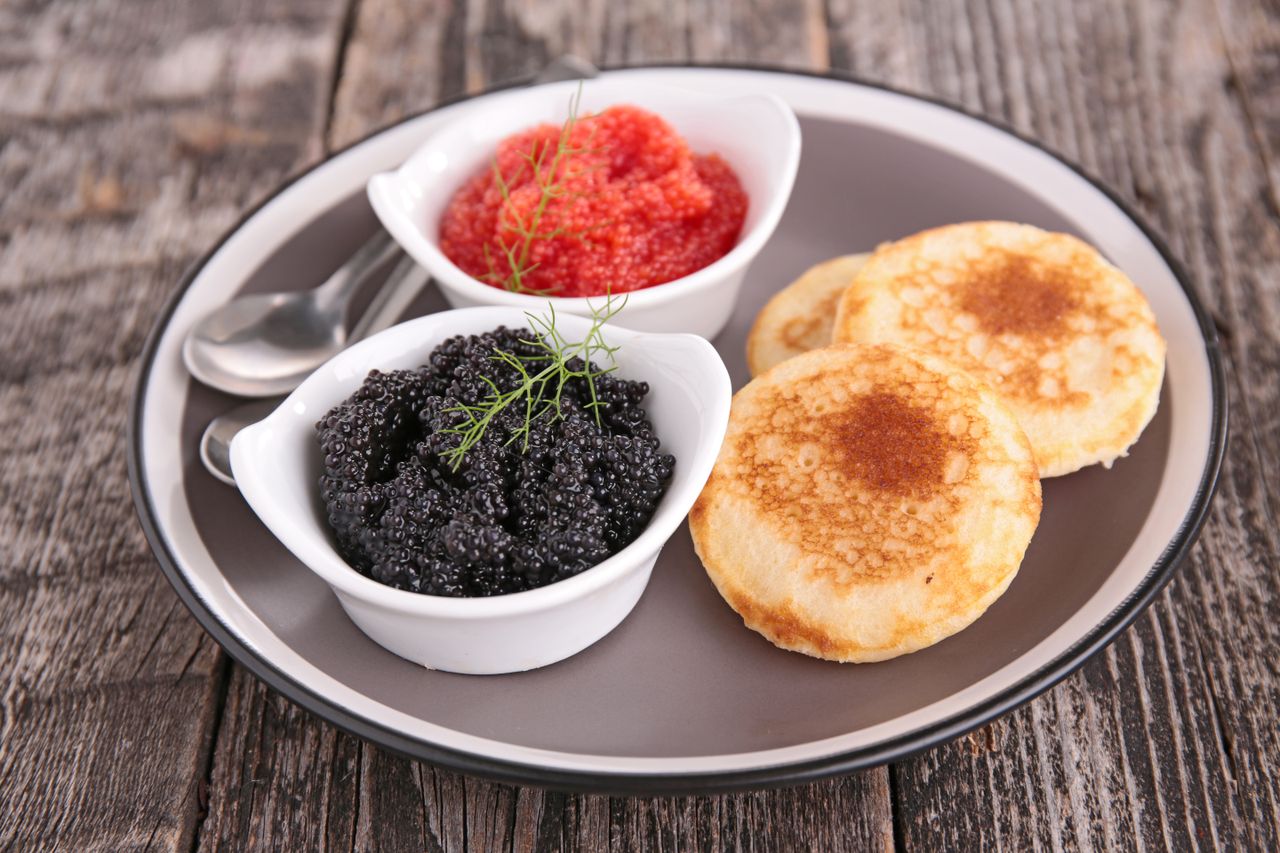
Omega-3s: 0.60 grams of DHA and 0.48 grams of EPA per 1 tablespoon of caviar
Caviar is a seafood delicacy that’s packed with omega-3s. It is also a good source of vitamins and minerals, like B12, a nutrient that’s required for red blood cell production, neurological function, metabolism, and DNA synthesis.
A tablespoon of caviar covers over 100% of your daily B12 needs.
14. Shrimp
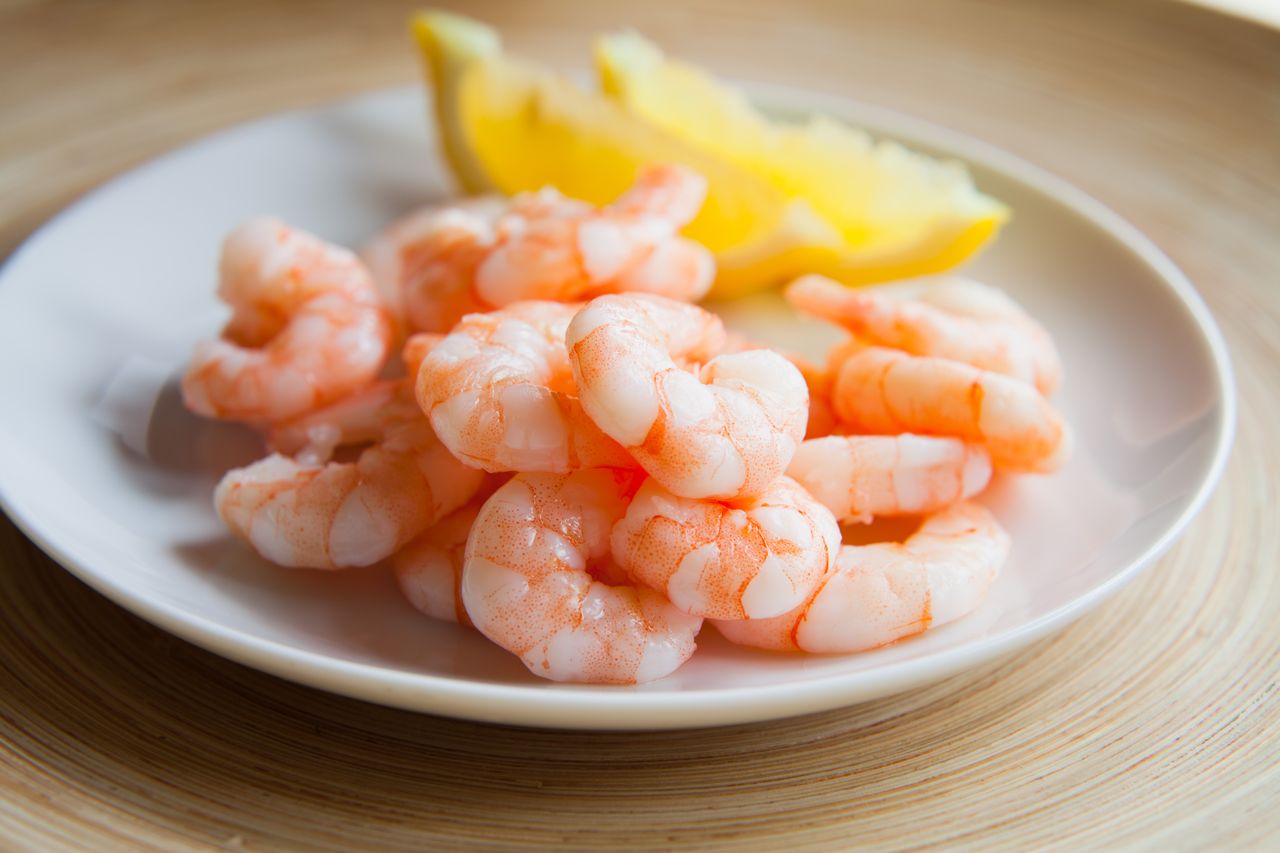
Omega-3s: 0.12 grams of DHA and 0.12 grams of EPA per 3-ounce serving of shrimp
Shrimp is also high in protein and a good source of astaxanthin, a powerful antioxidant that protects cells against oxidative damage.
15. Tuna
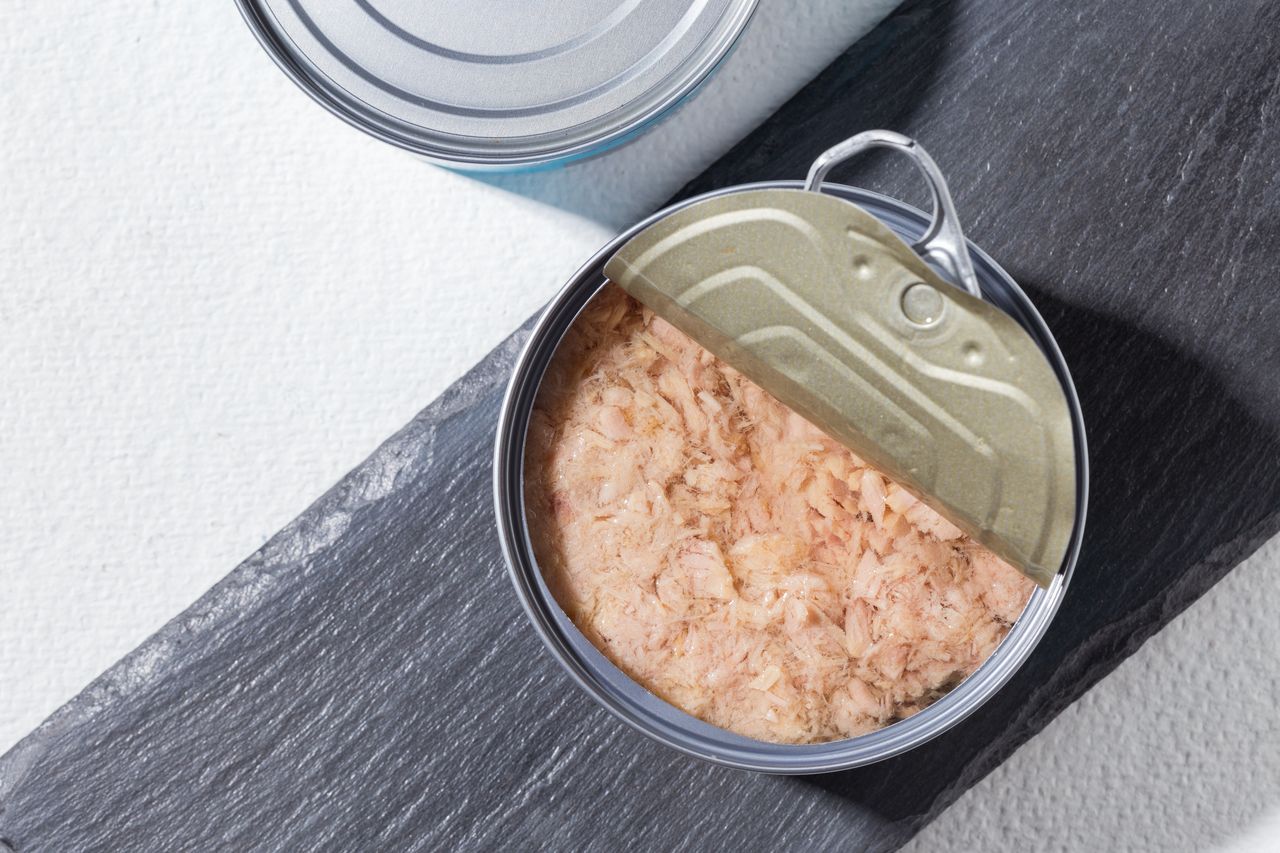
Omega-3s: 0.54 grams of DHA and 0.20 grams of EPA per 3-ounce serving of tuna
Tuna is a shelf-stable seafood option that’s high in omega-3s.
Tuna is also high in other nutrients, like B6, B12, selenium, magnesium, and vitamin E, all of which are essential for health.
on Health
Source: Lifestyle


0 Comments